// 2017–2018
DC Legends
A live mobile RPG turnaround. Killed rampant cheating, rebuilt player trust, and lifted the store rating from 2.2 to 4.4+.
- Role
- Senior Producer
- Platform
- iOS · Android
- Team
- 40+
- Window
- 2017–2018
- Status
- Shipped
The context
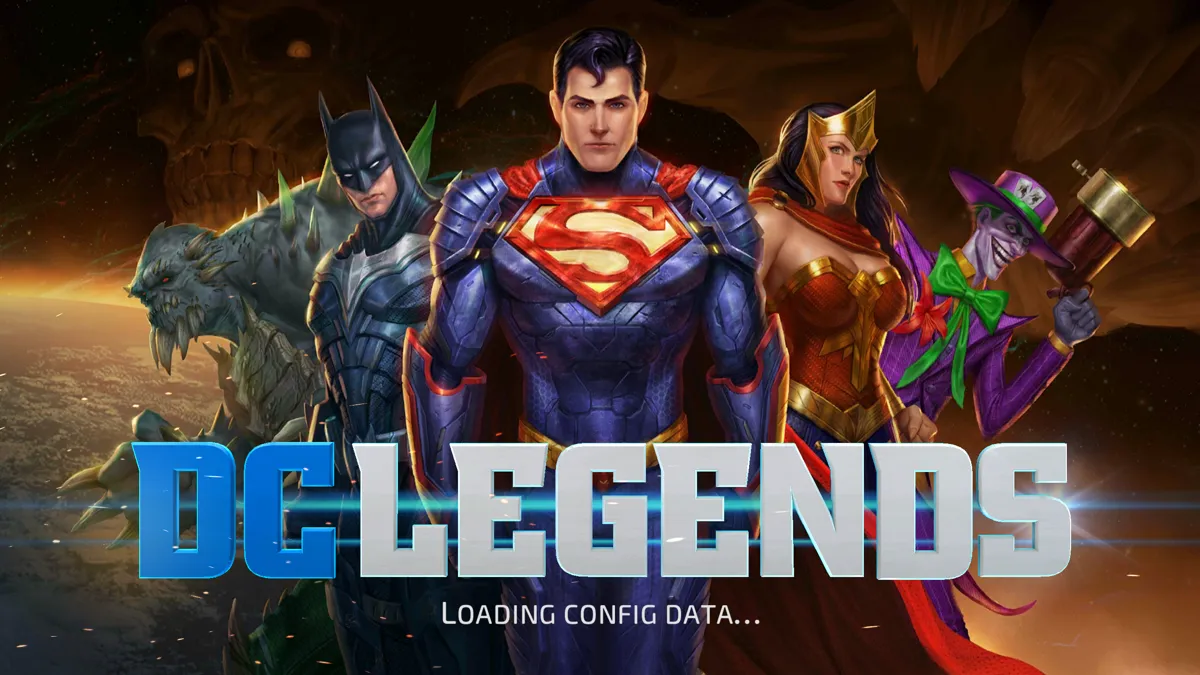
I joined DC Legends as Senior Producer on a live mobile RPG that was in trouble. Player trust was damaged by product-management issues and unchecked cheating, the store rating had fallen to 2.2, and the economy was leaning on tuning traps that frustrated players rather than rewarding them. My mandate was to stabilize the game, repair the relationship with its players, and extend its commercial life.
What I owned
- Anti-cheat, end to end. Diagnosed and killed the rampant cheating that had taken over the leaderboards, instrumenting combat sessions and building an automated detection pipeline with graduated penalties rather than blunt bans.
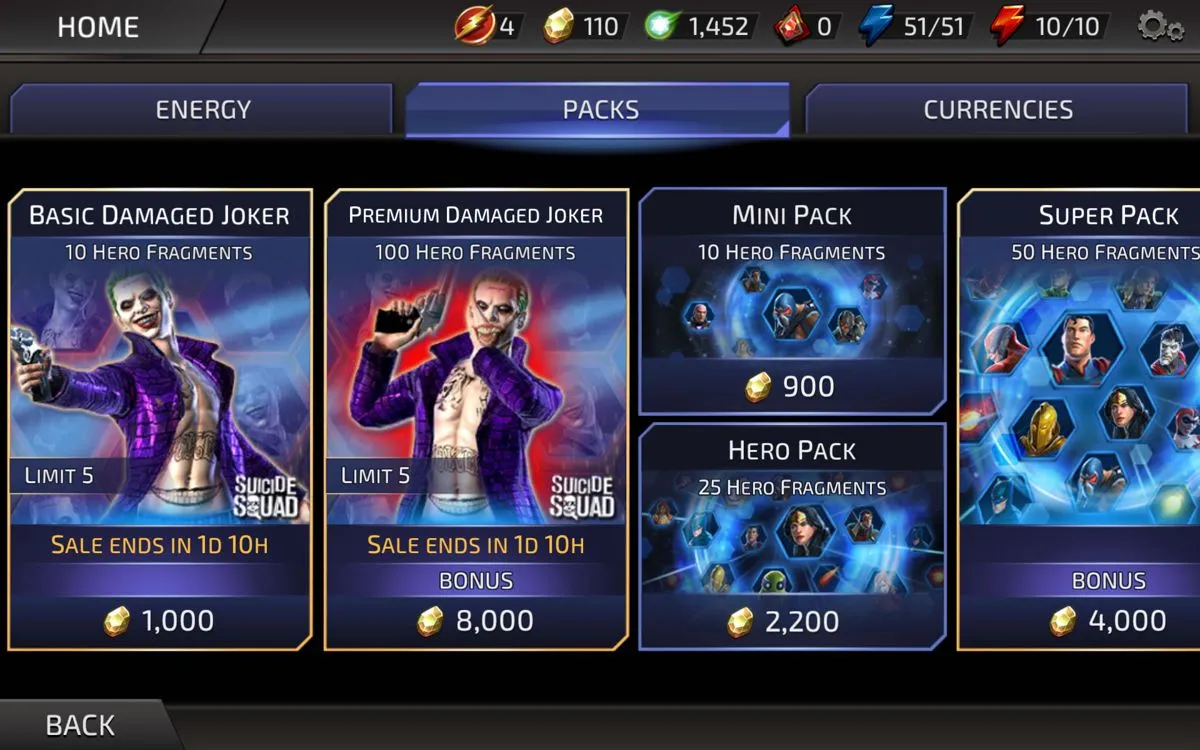
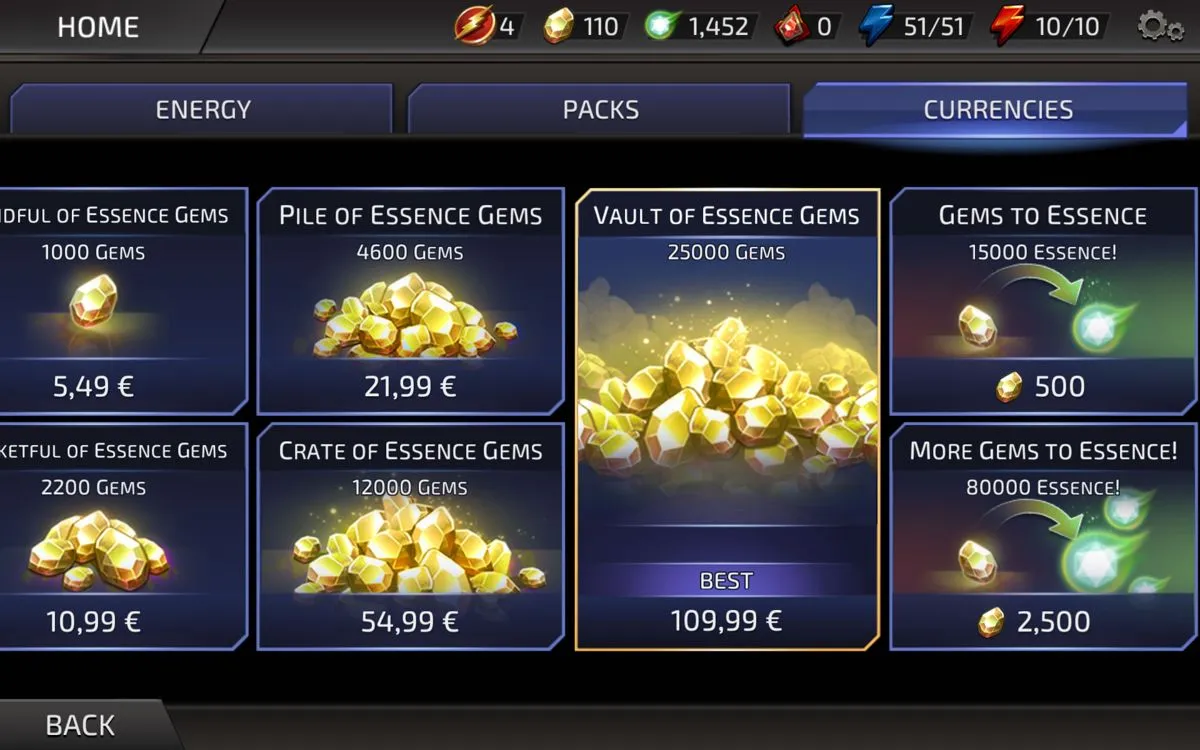
- Monetization repair. Reshaped the monetization strategy: cut a few tuning traps that punished normal players, and proposed new high-spender bundle features that grew revenue without degrading the experience.
- Live planning & marketing. Led planning, development, and marketing for the title, including the full app store submission process across iOS and Android.
- Studio transition. Managed a transition of the game to a different studio that reduced operating costs and extended the game’s lifecycle.
The cheat-removal program
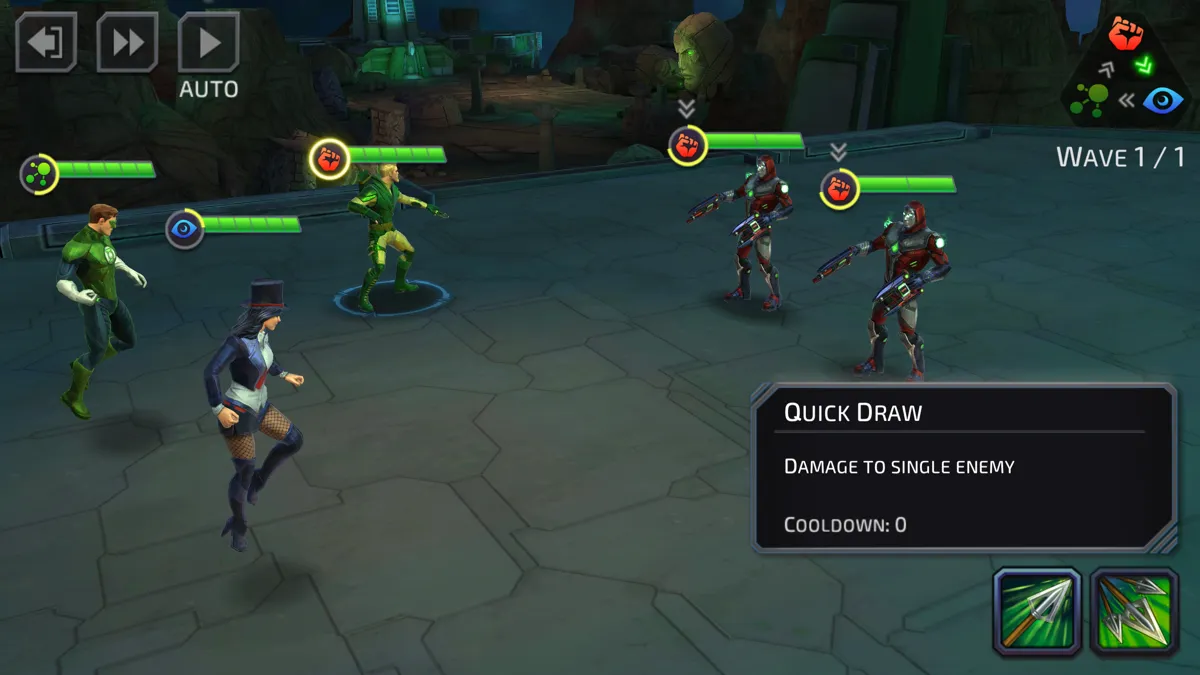
DC Legends was client-authoritative, and a population of players had figured out exactly what that meant: running a jailbroken build, they could edit their characters’ stats client-side and hand themselves power the game would accept as real. In a game built on asynchronous PvP (short, automated battles), that was devastating. A cheater could beat a skilled, fairly-built team in under a second, in fights they had no business winning, climbing the leaderboards faster than should be possible.
It had taken over the top of the game. Most cheaters didn’t even hide it. Unverified accounts with auto-generated names sat openly at the top of the ladder. On any given week, these throwaway cheat accounts dominated the top 100 leaderboard, and a large share of the verified accounts up there were cheating too. Realistically only 10–15% of the top 100 had earned their spot, with plenty more cheating further down. For the legitimate competitive players the game was meant to serve, the leaderboard had become meaningless, and cheat-inflated scores pushed the rewards out of reach.
How we fixed it. With a small, focused team inside the larger project (3 engineers, a product manager, QA, and me producing), we couldn’t turn a client-authoritative game server-authoritative overnight. Instead, we partnered to instrument the combat sessions, capturing what actually happened in each battle, and built an automated pipeline that flagged the statistically impossible results cheating produced. Penalties escalated instead of landing as instant bans, so we caught cheaters aggressively while protecting legitimate players from false positives.
The outcome
The detection pipeline reduced cheating reports by 99.5%, and the app store rating recovered from 2.2 to 4.4+, a direct and measurable repair of player trust. The game reached 1M+ downloads and 500K+ peak monthly actives, and the studio transition kept it live and economical well past where it would otherwise have ended.
Outcomes
- 1M+ downloads, 500K+ peak MAU
- Automated cheat-detection pipeline cut cheating reports by 99.5%
- App store rating lifted from 2.2 to 4.4+
- Studio transition reduced costs and extended the game's lifecycle
- Reshaped monetization by reducing tuning traps and adding high-spender bundles
Gallery
← All projects